


Estense Lapidary Museum
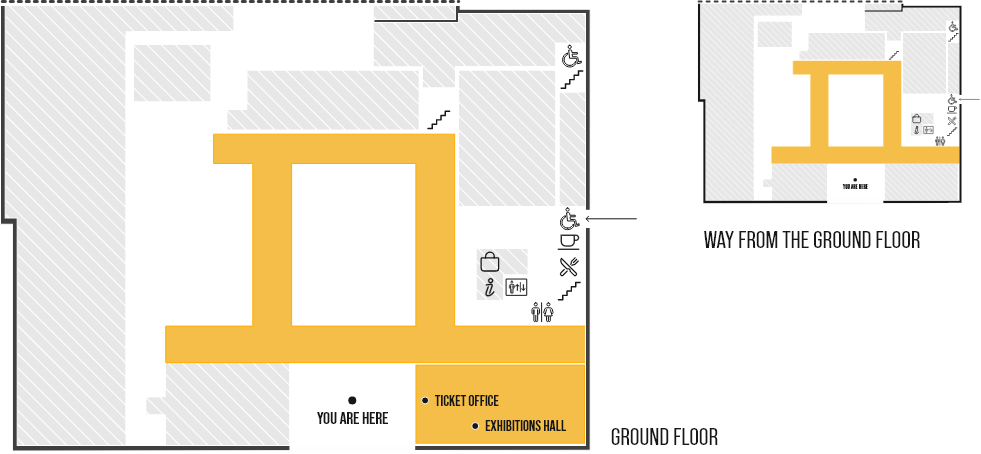
GROUND FLOOR
Monday to Friday 8 a.m. – 7.30 p.m.
Saturday 8.30 a.m. – 7.30 p.m.
Sunday 10 a.m. – 7.30 p.m.
Access for groups, with prior booking, is permitted for a maximum of 30 people.
For any changes, please scan the qr code
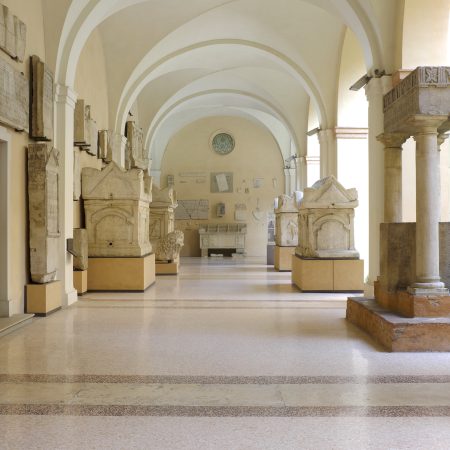
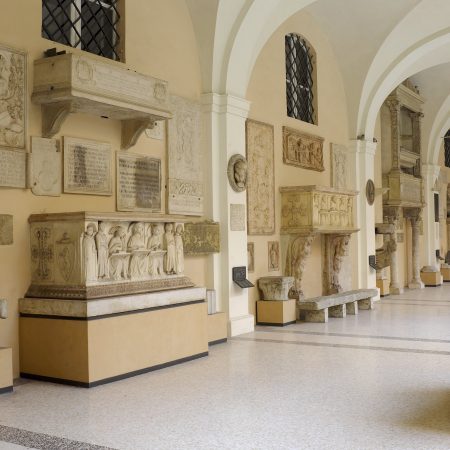
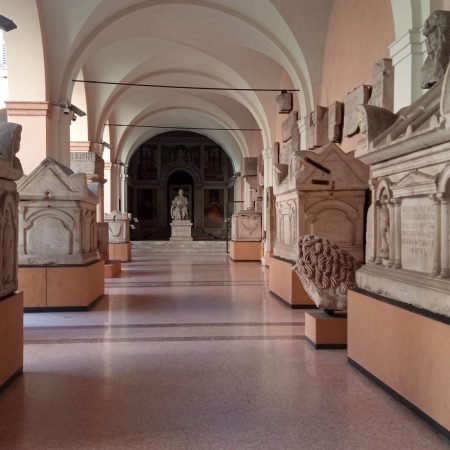
The Estense Lapidary Museum is the first public museum established in Modena. Its foundation is due to Duke Francesco IV of Austria-Este, who on 31st March 1828 decreed its birth with the name of Modenese Lapidary Museum.
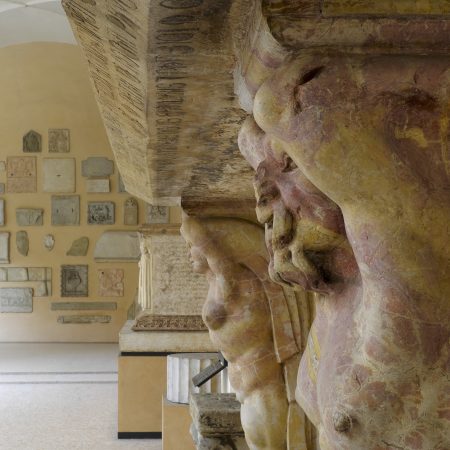
It was inspired by illustrious examples such as the Maffeiano Lapidary Museum in Verona (1738), or the Lapidary Gallery in the Chiaramonti Museum in the Vatican (1800-1823), but with a peculiar civic vocation aimed at glorifying the illustrious past of the city since its origins as a Roman colony of Mutina.
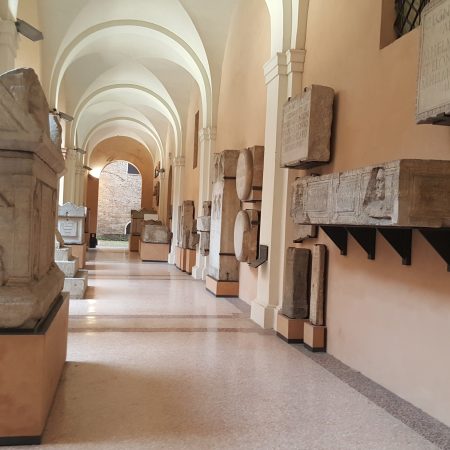
The initial nucleus was made up of some pieces already preserved in the Ducal Palace of Modena, acquired by the Este family from other antiquarian collections or as excavation finds from the ducal territories of Brescello and Novellara.
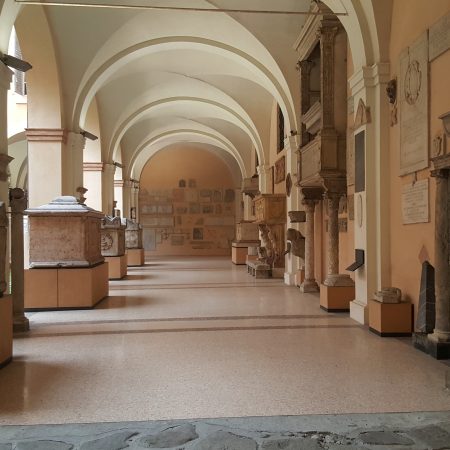
In addition to the finds from the Roman era, it immediately welcomed memories and sepulchral arks which for centuries, until the late seventeenth century, had been placed in the churchyard near the southern side of the Cathedral or in other sacred buildings in Modena and Reggio Emilia.